This Mom Runs on Coffee and Jesus
When I first opened the This Mom Runs on Coffee and Jesus design file, I immediately recognized the kind of customer who would buy it. That mom who is juggling school drop-offs, work deadlines, laundry piles, and late nights, and still shows up with a dry sense of humor and a genuine faith. As someone who has reviewed hundreds of machine embroidery designs and digital files for craft business use, I know that the success of a finished product depends not just on the sentiment, but on how well the design translates into thread, fabric, and real-world wear. This particular graphic has a very specific personality, and it demands a practical eye before you commit it to a hoop.
First Impressions: A Design That Knows Its Audience
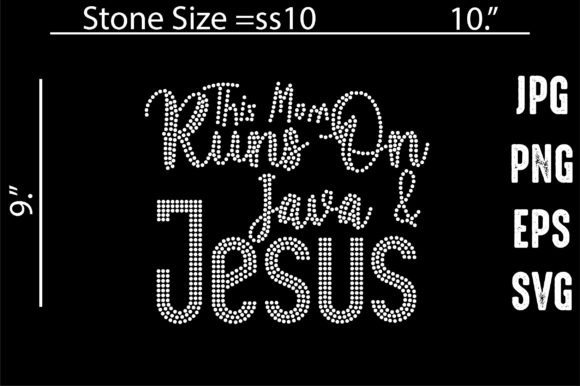
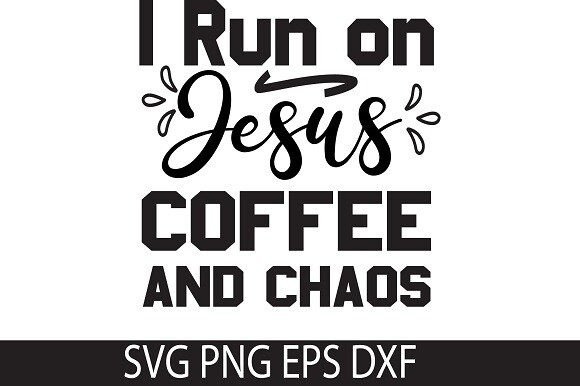
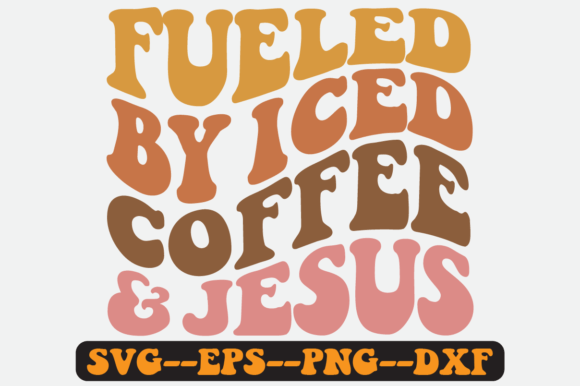
The visual mood of This Mom Runs on Coffee and Jesus is straightforward, honest, and slightly playful. It does not try to be overly cute or aggressively religious. Instead, it strikes a balance that feels relatable to a wide range of moms who appreciate both a good cup of coffee and a grounded faith. The layout is clean, with a clear hierarchy that makes the message easy to read from a distance. That is a critical detail for any embroidery or applique project, because fine details often get lost in stitches, especially on textured fabrics like fleece or sweatshirt material.
The theme naturally fits into the Crafts category, but it also works as a commercial design asset for small shop owners who create personalized gifts. The type of mom who would buy this as a finished product is the same mom who might laugh about it with her friends at a church coffee hour or a school pickup line. That emotional connection is what makes a design sell, and this one taps into it without being forced.
Real Talk: Testing This Design on a Custom Tote Bag
I recently prepared a run of custom tote bags for a local boutique that wanted a faith-based, humorous option for Mother's Day. I used This Mom Runs on Coffee and Jesus as the centerpiece. The tote bags were made of medium-weight cotton canvas, which is forgiving for most machine embroidery designs, but I wanted to see how the design held up in real stitching.
Because this is a Graphics file rather than a native embroidery file, I had to digitize it myself. That is an important distinction for anyone reading this: the product you download is a PNG cutting file, not a stitch-ready format. You will need to convert it into a machine embroidery design using your preferred digitizing software or have it digitized by a professional. That extra step is not a dealbreaker, but it means you need to plan ahead. I tested the design at three different sizes on scrap canvas before committing to the final tote bags. At a width of around 4 inches, the lettering remained clear and the coffee cup motif held its shape well. At a smaller size, the thinner strokes in the lettering started to blur, which would have been a problem for a clean satin stitch or fill stitch.
The final tote bags looked great. The design had a balanced visual weight, and the message was easy to read from across a room. Customers responded well, and several came back asking for matching sweatshirts. That tells me the design has repeat potential, which is exactly what you want as a small shop product or an Etsy listing.
Where This Design Shines in Embroidery Projects
Based on my testing, This Mom Runs on Coffee and Jesus performs best on medium to large surfaces where the design can be displayed at a size that preserves the legibility of the text and the clarity of the coffee theme. Here are the applications where I would confidently use it:
- Sweatshirts and hoodies – The soft, casual feel of a sweatshirt matches the relaxed tone of the design. A 4- to 5-inch wide placement on the front chest or centered on the back looks natural.
- Tote bags – As I mentioned, canvas tote bags are a natural fit. The design holds up well to repeated use if stabilized properly.
- Aprons – A coffee-themed design on an apron is almost too perfect. It works for both personal use and as a gift item.
- Pillow covers and tea towels – These home decor items benefit from the design's readability and conversational tone. A tea towel with this message would be a popular handmade product for craft fairs.
- Embroidered patches – If you digitize it cleanly, this design can be turned into an iron-on patch. Patches are a low-risk way to test a design before committing to full garment embroidery.
- Personalized gifts – Adding a name or monogram alongside the design increases the gift value and makes it feel custom without overwhelming the layout.
The design also works well for holiday gifts, especially for Mother's Day, Christmas, or even a birthday present for a mom who appreciates a blend of humor and faith. It is versatile enough to be used across multiple product lines, which is a strong advantage when you are building a craft business or a small shop inventory.
Where to Be Cautious Before Stitching
No design is perfect for every situation, and This Mom Runs on Coffee and Jesus has a few limitations that you need to consider before you start stitching. I have seen many crafters rush into a project and end up with a result that looks messy or unprofessional, so let me save you the trouble.
- Small hoop sizes – If you try to fit this design into a 3-inch hoop or smaller, the lettering will become too dense and the coffee element will lose its shape. The design needs room to breathe. Stick to a 4-inch hoop or larger, and test the size on scrap fabric first.
- Thin or stretchy fabric – The design has a moderate stitch density, especially if you use fill stitches for the lettering. Thin fabrics like t-shirt knit or lightweight jersey will pucker or distort if the stabilizer is not strong enough. Use a cutaway stabilizer for knits and a tearaway for wovens, and always test a sample.
- Dark fabric backgrounds – The design relies on readable contrast. If you stitch it on a dark fabric like black or navy, make sure your thread colors are light enough to stand out. A white or cream thread will work, but test the contrast in natural light before committing to a production run.
- Curved surfaces like caps – Caps have a curved surface that can distort the design if it is not digitized correctly. The straight lines in the lettering may not align well with the curve of a cap brim. If you plan to stitch this on a cap, reduce the design size and test on a practice cap first.
- Dense stitch areas – Depending on how you digitize the coffee cup and the text, there may be areas with high stitch density. This can cause thread breaks or fabric distortion. Check your stitch count and adjust the density in your digitizing software if needed.
- Frequent washing – If the finished product will be washed often, like a tea towel or a baby onesie, the design needs to be stitched with high-quality thread and a tight enough stitch density to avoid fraying. Use a polyester thread for durability in wash-and-wear items.
How This Design Affects Product Value and Customer Trust
When you produce a handmade product using This Mom Runs on Coffee and Jesus, the visual appeal directly influences how much a customer is willing to pay. A clean, well-stitched design signals quality and professionalism. A messy or poorly sized design, on the other hand, erodes trust and makes the product look like an afterthought. I have seen Etsy listings with beautiful photos and terrible embroidery, and the reviews always reflect that disconnect.
This design, when executed well, creates a strong sense of giftability. It is the kind of item that a customer buys for a friend or a family member because it feels personal and thoughtful. For a small business, that translates into repeat sales and word-of-mouth referrals. The faith element adds another layer of connection; customers who share that value will feel that the product was made specifically for them.
From a branding perspective, this design works well for a boutique that specializes in faith-based or humor-infused merchandise. It is consistent with a casual, approachable brand voice. It would not fit a high-end formalwear line, but that is not the intention. Knowing your market is half the battle, and this design knows its market.
Practical Notes Before You Buy or Digitize
Before you start any embroidery project with This Mom Runs on Coffee and Jesus, here are a few practical steps that I always recommend to my clients and that I follow myself:
- Test on scrap fabric first – This is non-negotiable. Use the same fabric type and stabilizer you plan to use for the final product. Stitch the design at the intended size and inspect the results under good lighting.
- Check thread color contrast – The design relies on contrast for readability. Test it with your chosen thread colors on both light and dark fabric backgrounds. Take a photo and look at it from a distance.
- Review stitch density – If you are digitizing the design yourself, check the stitch map for areas that are too dense or too sparse. Adjust the density settings to match your fabric and stabilizer combination.
- Confirm hoop size – Make sure you have a hoop that is large enough to accommodate the design at the size you want. Do not force the design into a hoop that is too small.
- Inspect small details – The coffee cup and any fine lines in the text should be clear and crisp. If they look blurry in the digitized preview, they will look worse in stitches.
- Test in black and white mockups – Sometimes a design looks great in color but loses its shape in a single-color stitch. Testing it in black and white helps you see the structural strength of the design.
- Confirm licensing before selling – Since this is a digital product, check the terms of use that come with your download. Some graphics allow commercial use, others require a separate license. Do not assume you can sell finished items without verifying the terms. This applies to both physical products and digital design assets.
- Use proper stabilizer – For the fabrics I tested, a medium-weight cutaway stabilizer worked best. For lightweight fabrics, a tearaway may suffice, but test both options.
One more note: because this is a cutting file and not a native embroidery file, you are responsible for the digitizing quality. If you are not comfortable with digitizing software, consider hiring a professional digitizer. A poorly digitized design will ruin the product, regardless of how good the original graphic looks on screen.
Final Thoughts on the Design
This Mom Runs on Coffee and Jesus is a solid graphic for anyone in the craft business, from an Etsy seller to a boutique owner to a hobbyist making personalized gifts for friends. It has a clear audience, a relatable message, and a layout that translates well into embroidery when handled correctly. The key is to respect its limitations: do not size it too small, use appropriate stabilizer, test before you commit, and always confirm your licensing terms. If you do those things, this design will serve you well across multiple product lines, from tote bags and sweatshirts to home decor and handmade gifts. It is the kind of design that feels like it was made for real life, not just for a Pinterest board, and that is exactly what your customers are looking for.